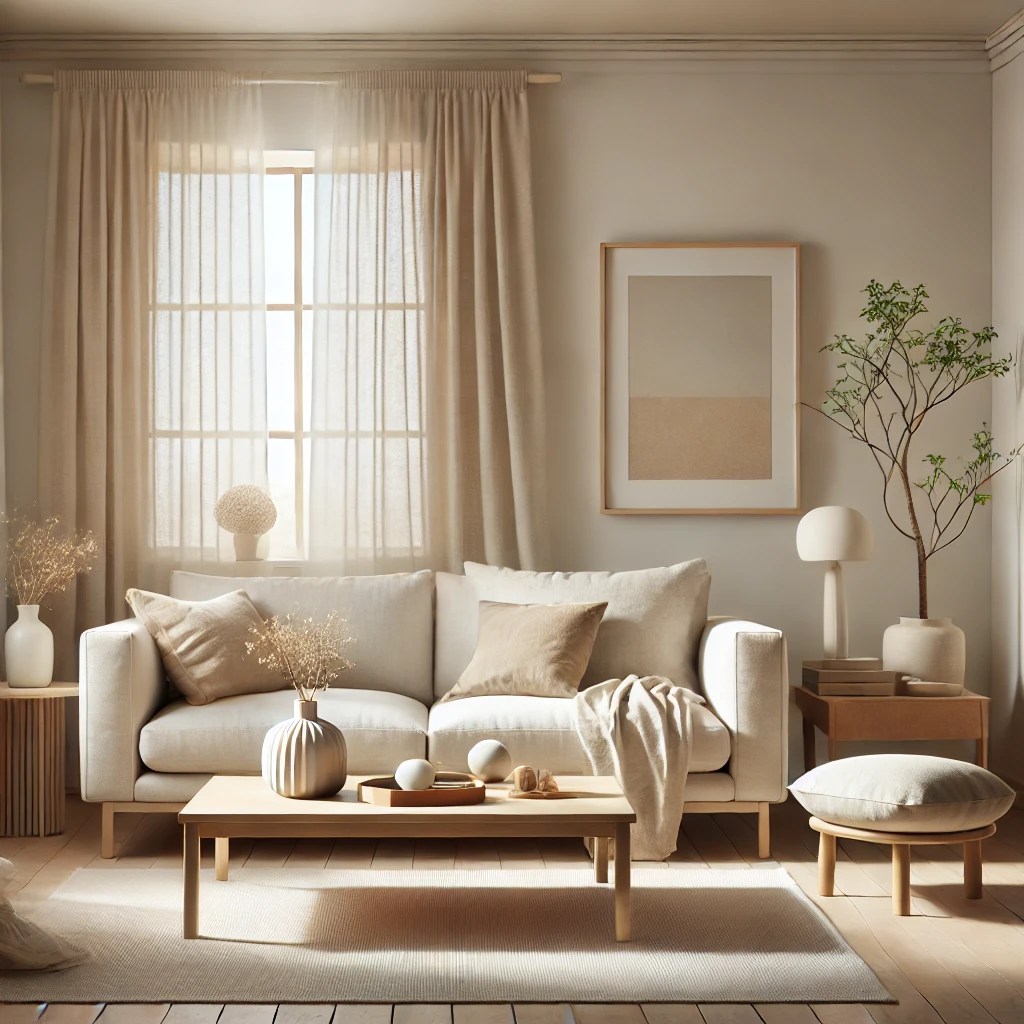
In a fast-paced world where accumulation is often the norm, minimalism offers a breath of fresh air. Adopting a minimalist lifestyle doesn’t mean deprivation but rather focusing on the essentials to create a more harmonious environment and enhance overall well-being.
Discover how to integrate minimalism into your life to gain serenity, mental clarity, and a higher quality of life.
1. Understanding Minimalism: Less is More
Minimalism is based on a simple principle: eliminating excess to keep only what truly matters. This concept goes beyond material possessions—it also applies to time management, relationships, and mental well-being.
By reducing clutter and focusing on meaningful aspects of life, you create a more peaceful and balanced living space.
2. Decluttering Your Space to Clear Your Mind
A cluttered environment can cause stress and anxiety. Organizing, tidying, and getting rid of unnecessary items can help you:
- Create a more serene and pleasant atmosphere.
- Make cleaning and maintenance easier.
- Feel mentally lighter and more at peace.
How to get started?
- Follow the “One in, one out” rule for new items.
- Sort your belongings into three categories: keep, donate, recycle.
- Opt for minimalist furniture and decor with neutral colors.
3. A More Mindful Approach to Consumption
Minimalism doesn’t mean owning the bare minimum but rather buying less and choosing better. This involves:
- Prioritizing quality over quantity by investing in durable, timeless items.
- Avoiding impulsive purchases by asking, « Do I really need this? »
- Choosing multifunctional products to prevent unnecessary accumulation.
Not only does this save money, but it also helps reduce environmental impact.
4. Simplifying Daily Life for Sustainable Well-Being
Minimalism is not just about possessions—it also involves time management, tasks, and commitments.
Ways to create a more peaceful daily routine:
- Reduce digital distractions by limiting notifications and taking tech breaks.
- Streamline your schedule by avoiding excessive commitments and learning to say no.
- Prioritize self-care through meditation, yoga, or simple moments of relaxation.
A decluttered mind allows for better stress management and greater presence in the moment.
5. Creating a Minimalist and Soothing Home
A clean and simple space promotes relaxation and focus. To design a home that fosters well-being:
- Choose natural materials such as wood, linen, and cotton.
- Stick to a soft, neutral color palette for a harmonious ambiance.
- Incorporate indoor plants to bring freshness and purify the air.
- Opt for high-quality home textiles, such as soft linens and plush bedding, for ultimate comfort.
The goal is to create a space where you feel calm, free from visual clutter and distractions.
Conclusion: Embracing Minimalist Well-Being
Adopting minimalism in daily life is about returning to what truly matters. By simplifying your surroundings, making more mindful purchases, and decluttering your schedule, you can achieve a greater sense of peace and well-being.
Are you ready to declutter and live better?

Laisser un commentaire